Chestnut Roasting Traditions Around the World: A Cook's Introduction
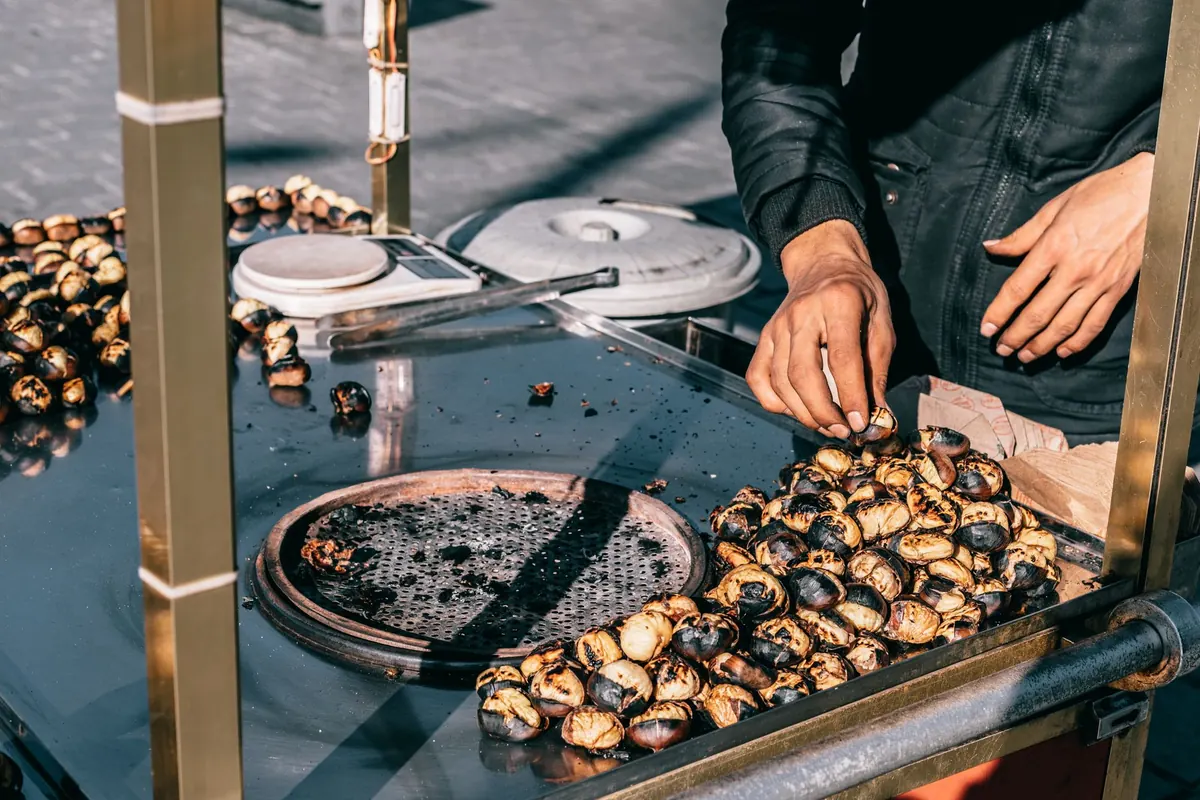
Roasting is the oldest way to cook a chestnut, and the smell of it — scorched shell, faint sweetness, a little smoke — is a season marker in half the world. Walk through Rome in November, Istanbul in January, or a Seoul market on a cold afternoon and you'll find the same scene: a heat source, a pan with holes in it, and a short queue of people waiting. The fuel changes. The salt and sugar change. The instinct doesn't. What follows is a cook's tour of a few of those traditions, plus the parts you can borrow tonight.
Every tradition on this list is solving the same three problems: the nut bursts, the shell sticks, and the inside dries out before the middle is done. The fixes look remarkably alike from Portugal to Japan.
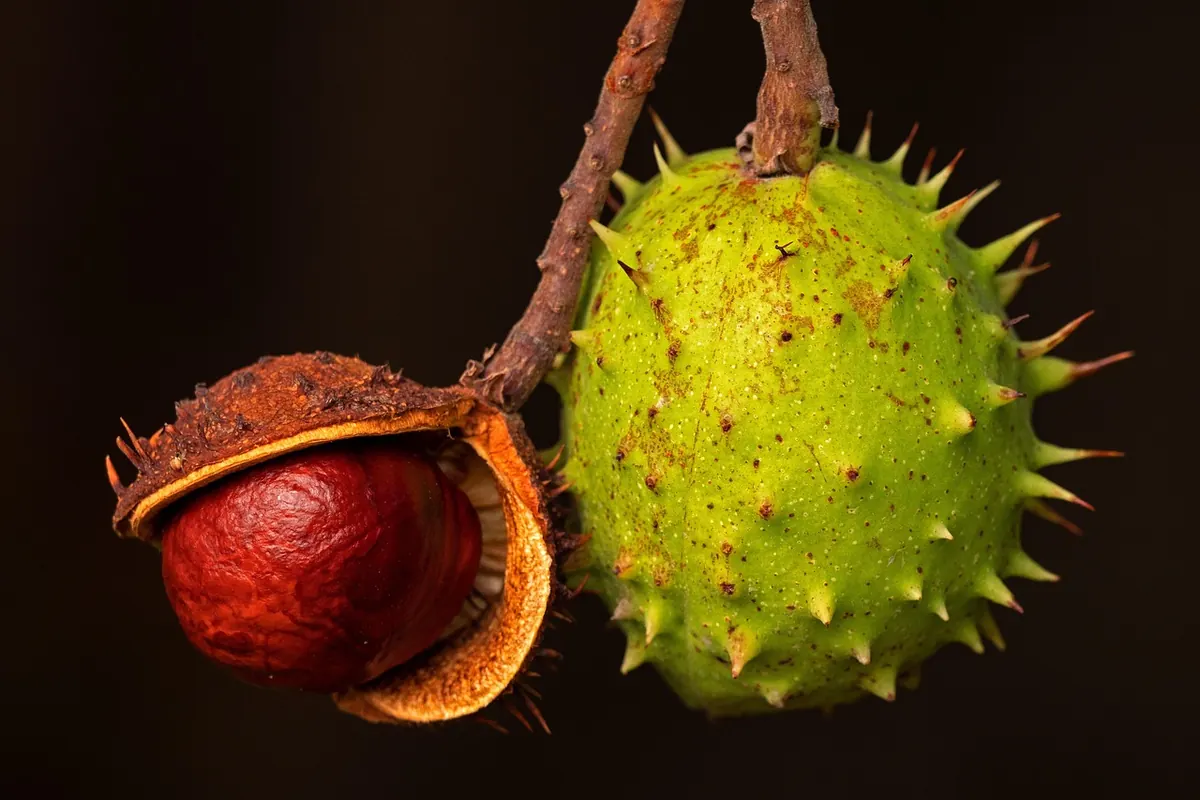
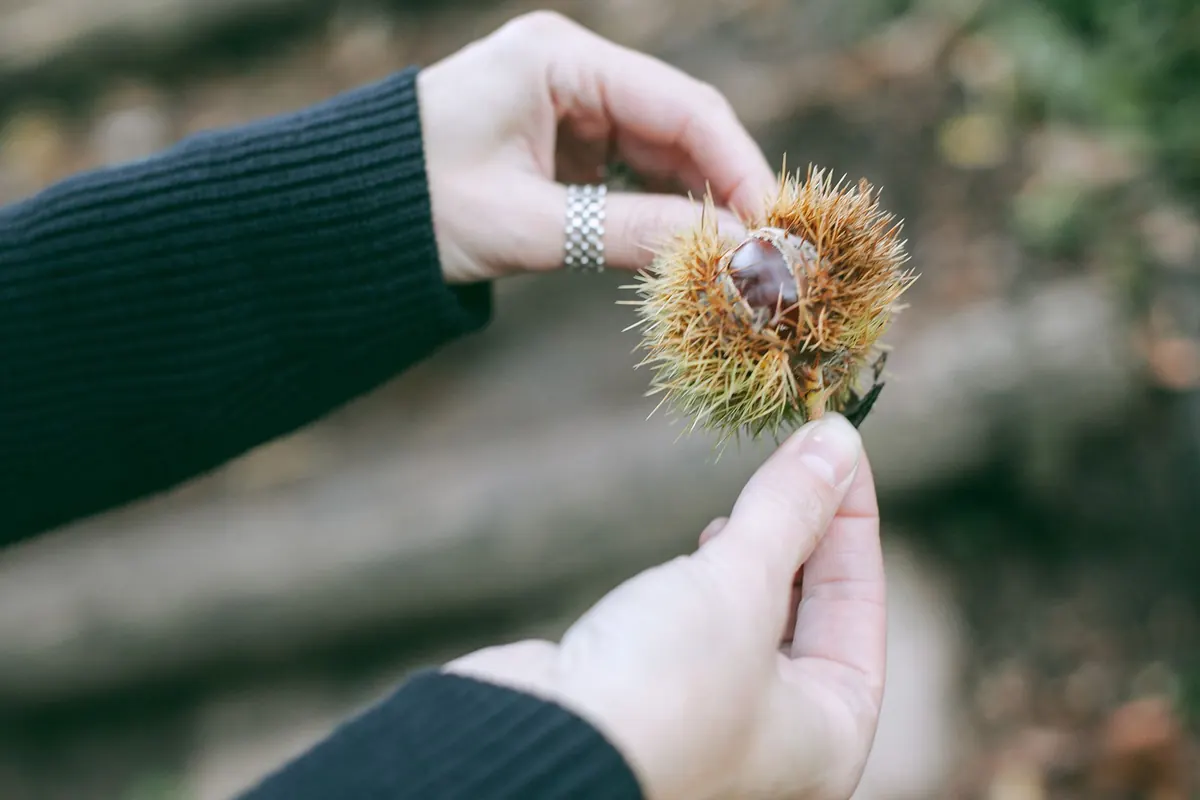
Choose heavy nuts for their size and skip anything with a pinhole or that feels hollow and light — that's a weevil or a dried-out nut. And a plain safety note: this is Castanea sativa, the sweet chestnut. Horse chestnuts, the glossy conkers children thread on strings, are not edible. Sweet chestnuts also need cooking; raw ones are harsh and unpleasantly tannic.
In Italy the roasted chestnut has its own word, caldarroste, and its own trade. Rome and Naples keep carts on street corners through the winter; in Friuli and the Alpine north, families roast on the fogolar, the open hearth built into the middle of the kitchen, where a perforated metal disc sits over the embers. The tool of choice is the padella bucata — literally a pan with holes — and the logic is sound: steam escapes downward, the fire reaches the shell directly, and nothing stews.
Italian cooks also hold a distinction that's gastronomic rather than botanical. A castagna is the everyday nut; a marrone is the larger, sweeter, finer-skinned sort you'd bring to the table rather than tip into a paper cone. If you find marroni at a market, roast them plainly and eat them warm with a glass of new wine. With the smaller ones, do what the countryside does: roast a big batch, wrap them in a towel, and let people peel their own.
You don't need a hearth. A heavy cast-iron skillet with a lid, or a perforated roasting pan set over a gas burner, gets you most of the way. Medium heat, one layer, lid on, and shake the pan every couple of minutes so each nut rotates against the hot metal. Fifteen to twenty-five minutes, depending on size. If you have a fireplace, use embers rather than flames and give the pan a good shake every so often.
Paris in winter runs on marrons chauds, sold from perforated drums over gas, the vendors working the lid like a cocktail shaker. In the Cévennes, where the chestnut once stood in for wheat, the nuts go into a hot oven or onto the edge of the fire at home, slit and eaten by the handful with nothing added.
Portugal has the most sociable version. Castanhas assadas arrive with São Martinho on 11 November, and the magusto that goes with it — a gathering around a fire, chestnuts, and whatever is in the barrel. Portuguese vendors roast in a pan with coarse salt, lid on, shaking hard, and the salt earns its place twice: it seasons the flesh that peeks through the slit, and it keeps the shells from scorching before the middles are done. Try it at home with a generous handful of coarse salt in a heavy pan; brush most of it off before serving.
Istanbul's kestane kebabı carts are a winter fixture: chestnuts slit and laid over charcoal on a flat griddle or in a shallow pan with holes, turned until the cut edges blacken and curl. They're handed over in paper, hot enough to juggle. The same nut turns up candied as kestane şekeri, but that's confectionery, not street food. Across the Balkans, roasted chestnuts appear in much the same form, sold from carts and eaten on the walk home. There's no secret here beyond patience: moderate coals, frequent turning, and pulling them while the flesh is still creamy rather than floury.
China does something more elaborate. Tang chao chestnuts are roasted in a large wok with black pebbles or coarse quartz sand and a sugar syrup. The sand holds and spreads the heat so the nut cooks evenly on all sides while the sugar glazes the shell and seeps through the cut; the vendor stirs continuously, and the job takes far longer than an oven would. The result is sticky-fingered, faintly caramelised, and worth the mess.
Japan's amaguri — the word means sweet chestnut and is used for the roast itself — are cooked in a pan with hot stones and a little sugar, then sold warm from stalls. At home, chestnuts are more often steamed with rice as kuri gohan, where the nut's sweetness seasons the whole pot. Korea's winter street version, gunbam, comes out of a revolving drum over gas, sometimes finished with a touch of sugar or honey for shine, and the charred cut is part of the appeal. If you want to try a glazed version, sprinkle a pinch of sugar over the nuts in the last five minutes of roasting and shake well — any earlier and it burns.
Pick your heat source and adjust the details, not the principles.
Test one nut before you commit the batch: the shell should have opened wide along the slit, the flesh should be tender all the way through, and the pellicle should lift away without tearing the nut. If it's still chalky, give it five more minutes.
Cold chestnuts go floury and the skins re-stick, so roast what you'll eat within the hour. Any surplus is better peeled and folded into tomorrow's soup than left in a bowl on the counter.
Photo: Meruyert Gonullu / Pexels
Previous Post
How to Host a Chestnut Tasting Night: A Beginner's Party Guide
Next Post
Chestnut Flour vs. Wheat Flour in Baking: Nutrition, Texture, and Substitution