How to Make Smooth Chestnut Puree for Desserts, Soups, and Sauces
Chestnut puree has a reputation for being fussy. It isn't, really, but it does punish shortcuts. Skip the sieve and you get a paste with a faint grit that no amount of extra cream will fix. Add liquid too early and the mixture turns to a thin, sweet mud that tastes more of milk than of chestnut. Get the order right, though, and you end up with something genuinely versatile: thick enough to pipe into a tart, loose enough to swirl into soup, and smooth enough to eat off a spoon without noticing the texture at all.
The method below starts from raw chestnuts because that gives the best flavor, but it also covers the vacuum-packed shortcut for the nights when peeling a kilo of nuts is not going to happen. Either way, the goal is the same: a puree that tastes of chestnut first and everything else second.
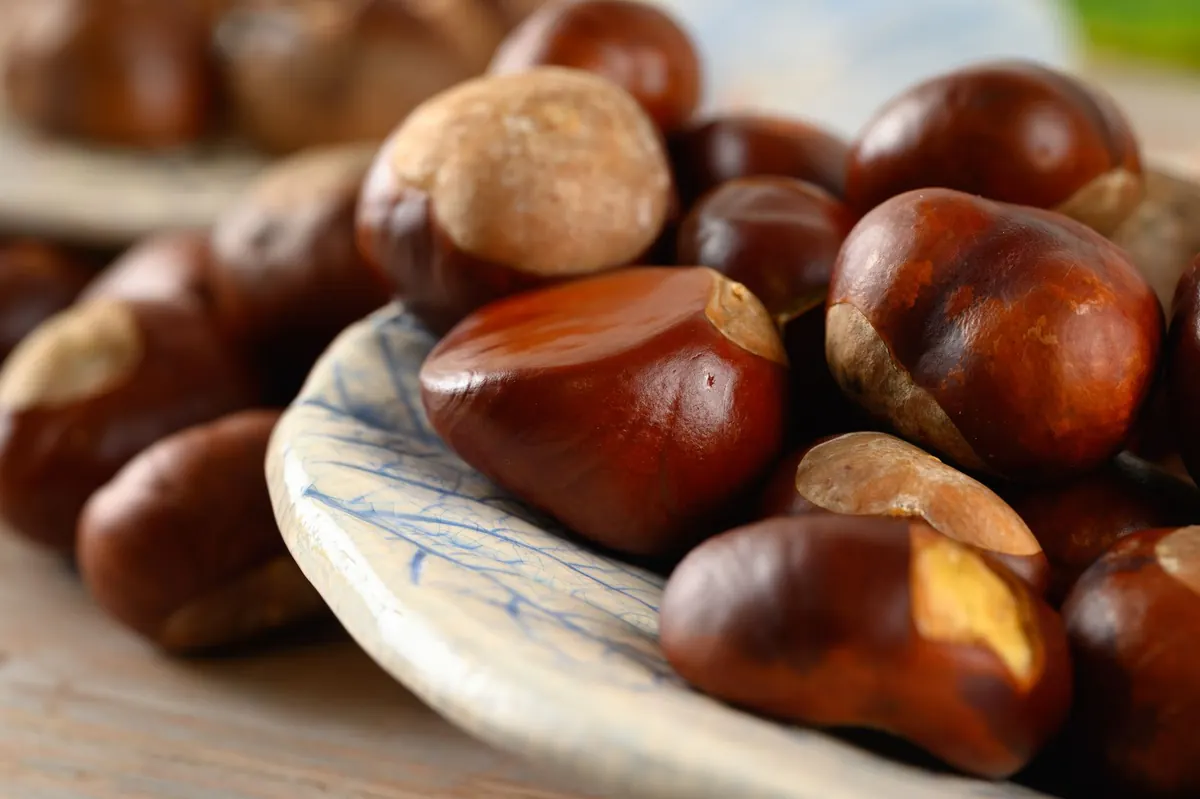
Fresh chestnuts should feel heavy for their size and firm all over. Look for glossy shells without pinholes — a small hole is usually the sign of a weevil — and skip any that feel hollow or rattle when you shake them. Flat, slightly dented chestnuts are normal and perfectly good. Very large nuts are easier to peel because there is more flesh to grip, but small ones often have deeper flavor.
If you are using prepared chestnuts, read the label properly. The two common types behave quite differently:
Chestnuts need to be cooked until a knife slides through with no resistance at all. Undercooking is the most common cause of grainy puree, and no blender can rescue a nut that is still firm in the middle.
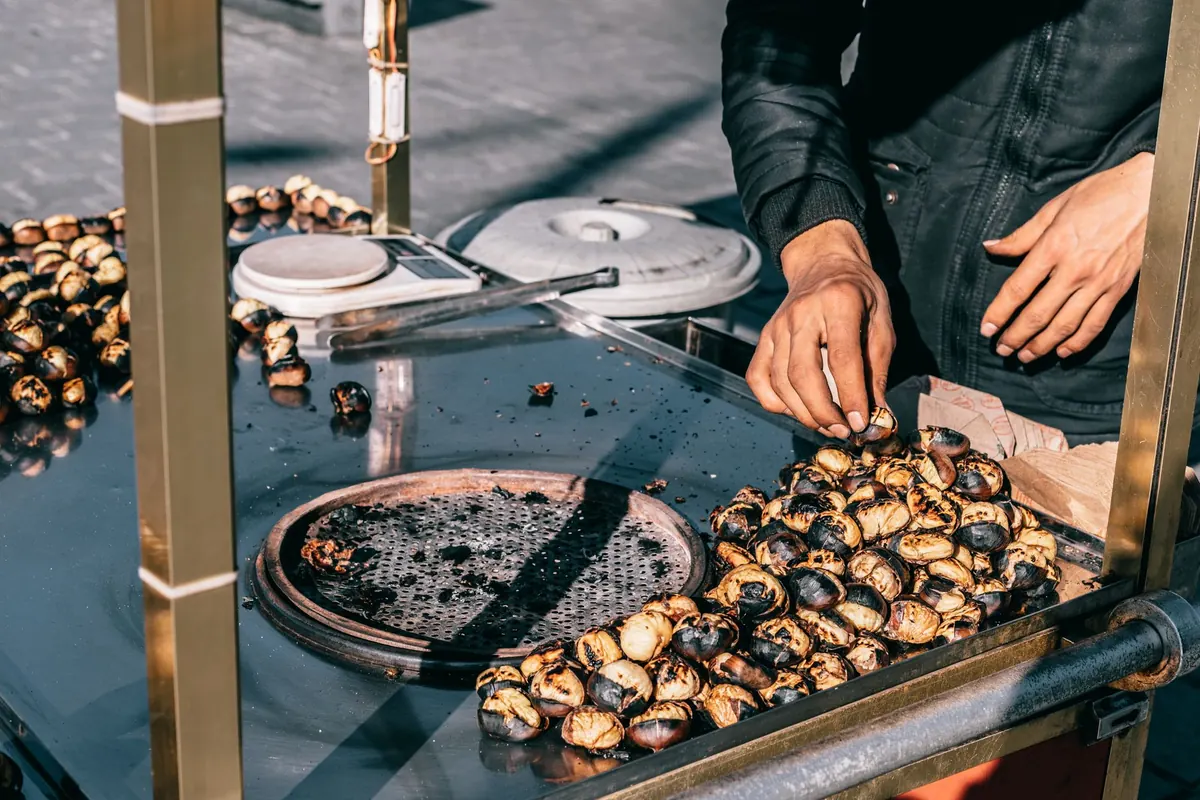
Roasting at around 200°C (400°F) for 20 to 25 minutes after scoring gives a deeper, toastier flavor that suits savory dishes particularly well. For desserts, simmering is usually the better choice because it keeps the taste clean and delicate. Some cooks simmer the nuts in milk instead of water for a richer result; this works beautifully but makes the puree more perishable, so use it within a few days.
This is the part people try to postpone, and it is the part that matters most. Chestnuts peel easily when hot and stubbornly when cold. Work in small batches and leave the rest covered in the hot pan so they stay warm.
You need to remove two layers: the hard outer shell and the thin brown membrane underneath. That membrane is bitter and fibrous, and any patches left behind will show up in the final texture. A clean tea towel helps — rub the nuts between the folds and most of the membrane comes away with the shell. If a stubborn piece clings on, drop the nut back into hot water for a minute and try again. Discard any nuts with dark, mushy patches.
A food processor gets the job done, but the smoothest puree usually comes from two stages: breaking the nuts down first, then refining.
Push the warm chestnuts through a food mill, potato ricer, or a sturdy sieve with the back of a ladle. It takes a few minutes and it is worth every one of them, because this step removes any remaining fibrous bits and gives you a consistent base to work from. If you only have a processor, pulse the nuts with a tablespoon of liquid until they break apart, scrape down the bowl, then process for 45 to 60 seconds.
Work warm, add liquid in small splashes rather than pouring, and add fat early — butter, cream, or a mild olive oil for savory versions. Chestnuts are starchy and low in fat, so they need that fat to taste silky rather than powdery. Stop as soon as the mixture is smooth. Running the machine for minutes on end warms the starch and turns the puree gluey, which is far harder to fix than a little graininess.
For a truly fine texture, finish with a pass through a fine-mesh sieve. It is a two-minute job that separates a good puree from a memorable one.
Think of the puree as a base and adjust it toward the texture you actually need. A dessert puree should be thick enough to hold the shape of a spoon, like thick yogurt. A soup base should pour but still coat the back of a ladle. A sauce should be loose enough to nap a plate without flooding it.
Use warm milk or cream for sweet dishes, and stock, cooking water, or a splash of white wine for savory ones. Add a tablespoon at a time and stir thoroughly before judging — chestnut puree thickens slightly as it cools, so what looks loose in the pan may be just right on the plate.
Low heat and steady stirring will reduce it more reliably than any added starch. For savory sauces, a spoonful of breadcrumbs or a little chestnut flour works well, but cook the flour out for a few minutes or it tastes raw. Avoid boiling vigorously once dairy is in the pan.
Salt lifts the flavor of sweet purees as well as savory ones, so add a pinch even when you are making dessert. A few drops of lemon juice or vinegar sharpen a puree that tastes flat, and a small knob of butter stirred in at the end gives it gloss. Season at the end, taste, then adjust.
For dessert, warm 500g of puree with 40 to 60g of sugar, a pinch of salt, a little vanilla, and 30 to 50g of butter until everything dissolves. It becomes the filling for a tart, a layer in a trifle, or the base of a mousse once cooled and folded with whipped cream.
For soup, sweat leek, celery, and onion in butter, add the puree, and thin with stock. Finish with cream and something crunchy on top — fried sage leaves, toasted crumbs, or a few roughly crushed chestnuts.
For sauce, loosen the puree with stock and a little wine and serve with roast pork, duck, or guinea fowl. A spoonful stirred into a pan gravy thickens it and adds depth without flour.
Press a piece of plastic wrap directly onto the surface of the puree, seal the container, and refrigerate for up to three or four days. Beyond that, freeze it. Portion it into 150 to 200g amounts, or freeze in ice-cube trays for small additions to sauces, leaving a little headspace in each container. Frozen puree keeps well for two to three months. Thaw overnight in the fridge and reheat gently with a splash of milk or stock, whisking as it warms.
Cook longer than you think you need to, peel while hot, sieve even when the mixture looks smooth, and add liquid last. If the puree turns out grainy, resist the urge to blend it again — push it through a sieve instead. And write the weight and the date on the freezer bag, because chestnut puree looks identical to several other things once it is frozen solid.
Photo: Jana Ohajdova / Pexels
Previous Post
Chestnut Flour Pancakes for Beginners: Ratios, Resting, and Flip Times
Next Post
Chestnut and Mushroom Risotto: A Weeknight Recipe With Fresh or Dried Chestnuts